Food Insecurity Fund
Fund Impact
When access to food changes, everything else changes.
When Diana Taylor moved to Anne Arundel County, she expected what many people associate with one of Maryland’s most affluent counties — good schools and abundant opportunity. What she didn’t expect was how many residents were quietly struggling. In a county known for prosperity, Diana, who is now the Director of Strategic Initiatives for the Anne Arundel County Partnership for Children Youth and Families, began to see the hidden challenges: families searching for affordable housing, limited access to healthy food, and parents forced to make almost impossible choices. Through her work with the Family Stability department, she saw firsthand how food insecurity shapes daily choices and decisions, sometimes forcing families to delay paying rent so their children can eat. The realization led to a simple but imperative question: how can we move beyond conversation and take action?
“People think that food insecurity is only in low income areas, but the reality is that you can have a job one day and not have a job the next day and be dealing with food insecurity,” Diana said. “You can be faced with an illness, which will cause you to lose your job and be dealing with food insecurity.”
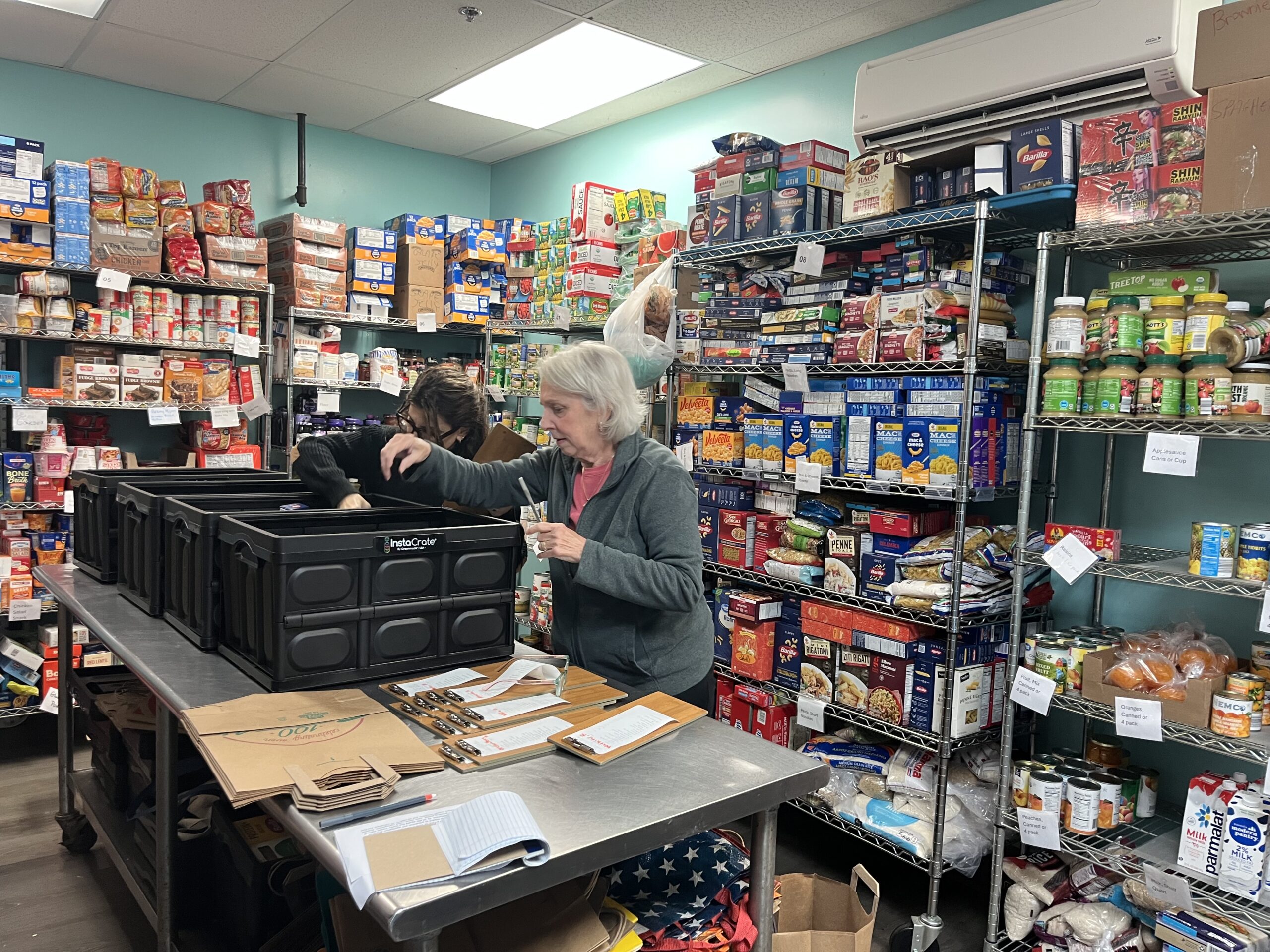
Recently, when the SNAP benefits were temporarily shut down, the county distributed $500,000 in emergency funding to expand food distribution sites at senior centers across Anne Arundel County. Even after the SNAP resumed, the amount of assistance was reduced, leaving more residents struggling with food insecurity. Diana also noticed that in the past, families visited food pantries to supplement their groceries. Today, what was once a supplemental resource has become, for many families, their primary source of food.
Access to healthy foods is another challenge. In some areas of the county, often called food deserts, residents have limited access to grocery stores, farmer’s markets, or even sidewalks that would allow them to safely walk to nearby stores. “Imagine walking across a main intersection like Route 175 to get to a grocery store with your toddler and then trying to walk back while carrying groceries,” said Diana.
Food insecurity has a trickle-down effect throughout the community, Diana explained. When children are hungry, they struggle to learn in school. When adults lack consistent access to food, it can lead to both physical and mental problems.
Diana reported a total of 66,310 people in Anne Arundel County were food insecure in 2025, a number projected to rise to 72,500 in 2026. The Anne Arundel County Department of Health has also reported that many of the calls to the county’s Find Help Line came from residents searching for food.
To address these challenges CFAAC worked with the county and private donors to find a way to help. The Food Insecurity Fund was established in 2025 to provide financial support for nonprofits working to ensure that residents of Anne Arundel County have reliable access to nutritious food. This fund also supports nonprofit initiatives that address the root causes of food insecurity and encourages long-term, sustainable solutions. The grant application process opened in early 2026 for the first time, with plans to offer an annual opportunity, or more frequently as funding allows and needs demand. You can help here.