Women and Girls Fund
Fund Impact
Women and Girls Fund Meets Obstacles That Women Face Head-On
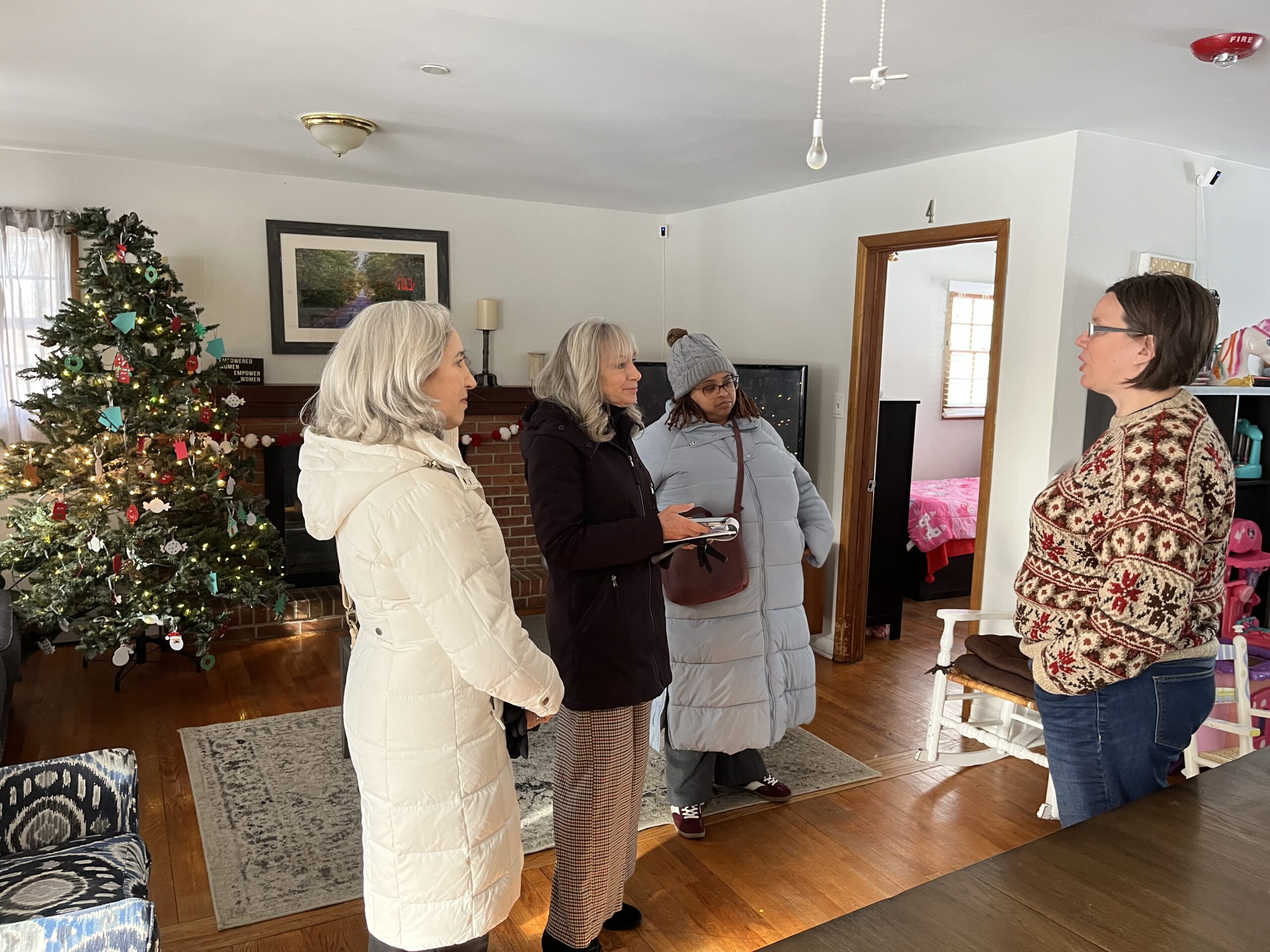
Joy Reigns Lutheran Church Pastor Sara Yotter breathes a heavy sigh when asked about the obstacles confronting women in recovery and their children. She points to daily barriers — too little support, lack of transportation, high rent costs, and unreliable childcare — that can make an already difficult journey even harder. “It can be a struggle, especially for those who don’t have an outside support system,” says Pastor Sara.
For a mother leaving a recovery home, staying sober is incredibly hard — and even harder when she must also figure out where to safely go next with her children as well as how to pay the rent. Joy Reign’s Journey to Joy Program meets women at that critical transition, giving them the time and support to rebuild their lives while welcoming multiple children, including teens.
CFAAC’s Women & Girls Fund grant allowed the Journey to Joy Recovery House to provide four months of recovery rental assistance to nine mothers and children living in its supportive and affordable sober living house. The funding helps prevent housing instability by providing a unique affordable recovery housing model that bridges the gap between actual costs and what these mothers can afford at 30% of their income. The grant and other grants covered the rest of expenses for this recovery housing program for women and children and the residents only had to cover 19% of total expenses with their own contributions.
There were success stories during the time that the grant was administered. One mother completed her goals and moved out with plans for self-sufficiency. Another mother continues to live in the house working towards her goals of housing self-sufficiency. Unfortunately, one mother relapsed, removing her and her children out of the program. The hard reality is that even though Journey to Joy’s vision is 100% completion of the program to self-sufficiency, relapses can be as high as 80% in the early years of sobriety. Journey to Joy is an important ongoing part of each family's recovery journey.
Joy Reign’s Journey to Joy Program is just one of the nonprofits the Women & Girls Fund has helped. The grant also supported a year-long series of adaptive dance classes for women and girls that fostered physical coordination, emotional expression, and social connection in a supportive, inclusive environment at GiGi’s Playhouse. Participants demonstrated increased confidence, improved mobility, and stronger peer relationships over the course of the program.
Another success story was reported by Chrysalis House who used its grant to fund Equine-Assisted Psychotherapy (EAP) sessions. In partnership with the Maryland Therapeutic Riding Center (MTRC), the nonprofits engaged 26 clients in two Eagala-certified sessions that provided a powerful and unique opportunity for emotional healing and self-discovery. Clients reported feeling more connected to themselves and others, with many expressing surprise at the depth of emotion and insight they experienced. This program successfully met the nonprofit’s goal to increase emotional awareness, strengthen communication and trust, and promote teamwork. A bonus was the development of a strong partnership with MTRC. Following the collaboration, MTRC recently received its own grant and invited Chrysalis House clients to return for additional sessions at no cost, extending the therapeutic benefits.
Charting Careers also saw success with their Parent Café pilot that engaged 15 participants across four sessions, confirming both the need and demand for dedicated parent support spaces. The caregivers participating live in public or subsidized housing in Annapolis and their children are enrolled in Charting Careers programs. The four sessions provided peer support and resources on topics requested by parents, including positive parenting, communication, and mindfulness/self-care. Each session saw increased engagement, and parents asked the nonprofit to continue and expand the program. Many said the Cafés helped reduce isolation, create stronger connections, and offered a rare chance to focus on their own wellbeing. Several reflected that the mindfulness and self-care activities provided practical strategies that supported their mental health.
Each of these programs marks important progress in addressing the challenges facing women and girls identified in CFAAC’s latest Community Needs Assessment Report. Invest in our community’s future by supporting the Women and Girls Fund here.